

Meridian House
A strategic advisory practice focused on infrastructure governance, regional development, and institutional capacity during large-scale technological and industrial transitions.
About Meridian House
Meridian House advises companies, investors, foundations, public institutions, and regional partnerships navigating complex infrastructure and societal change across energy, water, AI infrastructure, industrial systems, philanthropy, and regional development.
Founded by Marilu Hastings, Meridian House draws on three decades of leadership at the intersection of energy, infrastructure, sustainability science, philanthropy, and regional governance.
Meridian House’s work is grounded in a central conviction: that economic growth, technological innovation, public legitimacy, and long-term regional resilience are not inherently opposing goals. Durable infrastructure systems increasingly depend on the ability to align them.
The firm works in areas where existing governance systems are struggling to keep pace with the speed, scale, and interconnectedness of modern infrastructure change. Across sectors, institutions are increasingly being asked to govern systems that are more technologically dynamic, resource-intensive, geographically interconnected, and socially consequential than the institutional architectures of the twentieth century were designed to manage.
The firm’s work focuses particularly on:
infrastructure governance,
stakeholder and community legitimacy,
institutional strategy,
regional systems development,
cross-sector coordination,
philanthropic and parallel capital strategy,
and long-horizon implementation frameworks.
Many contemporary infrastructure conflicts emerge not from engineering constraints alone, but from institutional fragmentation, uneven impacts, competing priorities, and the absence of trusted governance systems capable of coordinating across sectors and jurisdictions. Meridian House helps organizations and regions navigate these conditions by developing governance frameworks, institutional partnerships, stakeholder strategies, and implementation structures capable of operating under complexity and uncertainty.
Its work draws upon principles associated with sustainability science, adaptive governance, systems thinking, and regional capacity-building, while remaining grounded in practical implementation and institutional realities.
Unlike traditional consulting firms organized around a single discipline or sector, Meridian House operates through a curated network of nationally recognized advisors, practitioners, researchers, and domain experts drawn from infrastructure, governance, natural resources, philanthropy, public finance, workforce systems, technology, and regional development.
For each engagement, Meridian House assembles strategic teams tailored to the specific institutional, infrastructural, and regional context of the work.
Underlying the firm’s work is a broader belief: that the defining challenge of the coming decades will not be technological innovation alone, but whether institutions and regions can develop the governance capacity, legitimacy, adaptive learning systems, and cross-sector coordination necessary to navigate increasingly complex infrastructure and societal transitions responsibly.
For each engagement, Meridian House assembles custom strategic teams tailored to the institutional, infrastructural, and regional context of the work.
CURRENT PROJECT:
Permian Energy Development Lab (PEDL)
The Permian Energy Development Lab (PEDL) is a place-based energy innovation and regional development initiative designed to address one of the defining infrastructure challenges of the twenty-first century: how to scale next-generation energy systems while strengthening — rather than destabilizing — the communities and regions that host them.

Our Services
Meridian House helps foundations, companies, investors, public institutions, and regional partnerships navigate large-scale infrastructure and societal change by designing:
-
Provide strategic guidance to foundations, companies, investors, public agencies, and regional partnerships navigating complex infrastructure, resource, and community challenges. The firm helps clients evaluate opportunities, align stakeholders, manage uncertainty, and move major initiatives from concept to implementation.
-
Help organizations create new initiatives, partnerships, and collaborative platforms designed to address emerging infrastructure and societal challenges. This work includes governance design, partnership structuring, implementation planning, and organizational positioning.
-
Advise clients on the governance and public-facing dimensions of large-scale infrastructure development, including energy, water, industrial, and digital infrastructure projects. The firm works on issues involving permitting, stakeholder alignment, community impacts, public trust, interagency coordination, and long-term resilience.
-
Design stakeholder engagement and community strategies that help organizations build trust, strengthen relationships, and navigate complex regional dynamics. The firm brings extensive experience working in communities shaped by energy, infrastructure, economic transition, and resource development.
-
Work with philanthropies, mission-driven investors, family offices, and cross-sector coalitions to develop funding and investment strategies supporting long-term public-purpose goals. This includes aligning philanthropic resources, public finance tools, partnerships, and private investment around regional development initiatives.
-
Design and facilitate strategic convenings that bring together leaders from industry, philanthropy, government, academia, finance, and civil society around shared challenges and opportunities. The firm helps create productive environments for collaboration, partnership development, and implementation planning.
-
Support regions and regional partnerships working to strengthen economic resilience, infrastructure capacity, workforce development, and long-term competitiveness. The firm focuses on helping regions respond to large-scale economic, technological, and infrastructure transitions in ways that create durable regional value.
Perspectives

The Governance Gap
Modern infrastructure systems are becoming increasingly interconnected while the institutions responsible for governing them remain fragmented and slow to adapt. This essay explores why the defining challenge of the coming decades may be governance transition itself.

Shale Governance and the Problem of Institutional Capacity
The shale revolution was not simply a technological transformation. It was an institutional stress test that exposed deeper challenges involving legitimacy, fragmentation, and governance under conditions of rapid change.

Use-Inspired Research and the Problem of Institutional Learning
Researchers are often answering questions practitioners are not asking, while decision-makers frequently lack usable scientific knowledge relevant to the problems they face. This essay explores the growing mismatch between knowledge systems and governance needs.

Energy Transition as a Systems Problem
Energy transition is often framed as a technological challenge. In practice, transitions unfold through complex interactions among infrastructure systems, institutions, markets, and regional political economies.

Landscape Governance and the Future of Regional Stewardship
Large landscapes increasingly sit at the intersection of conservation, infrastructure expansion, industrial development, and regional identity. This essay explores governance frameworks capable of balancing those pressures over long time horizons.

Beyond Silos: Regional Capacity and the Governance of Infrastructure Change
Many modern infrastructure challenges cannot be solved within traditional institutional boundaries. This essay examines the growing importance of regional coordination capacity in an increasingly interconnected world.
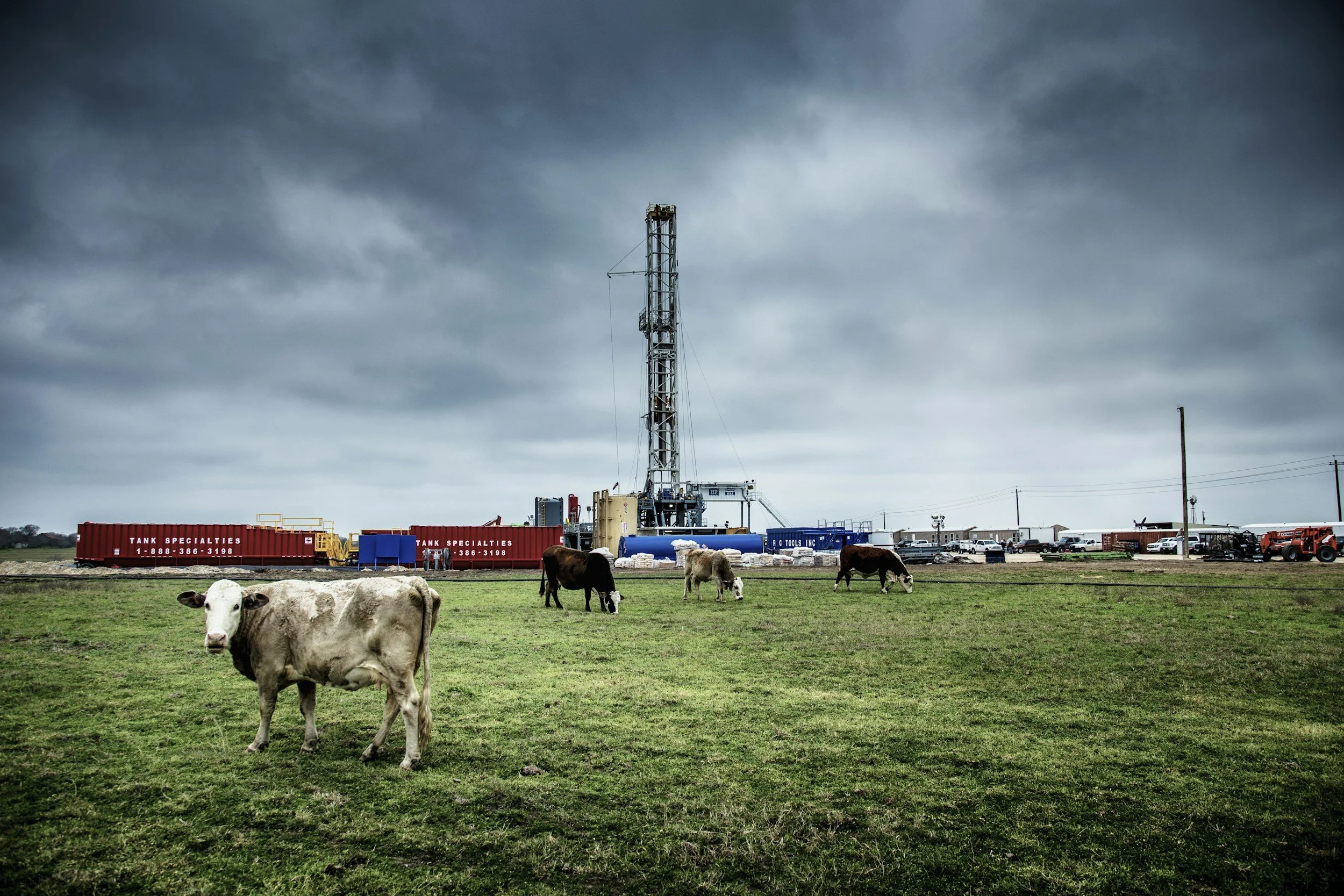
Between Hydrogen Sulfide and Carbon Dioxide
Infrastructure systems are experienced not only through engineering and economics, but through memory, trust, and lived community experience. This essay explores how societies govern invisible industrial risks during periods of technological transition.
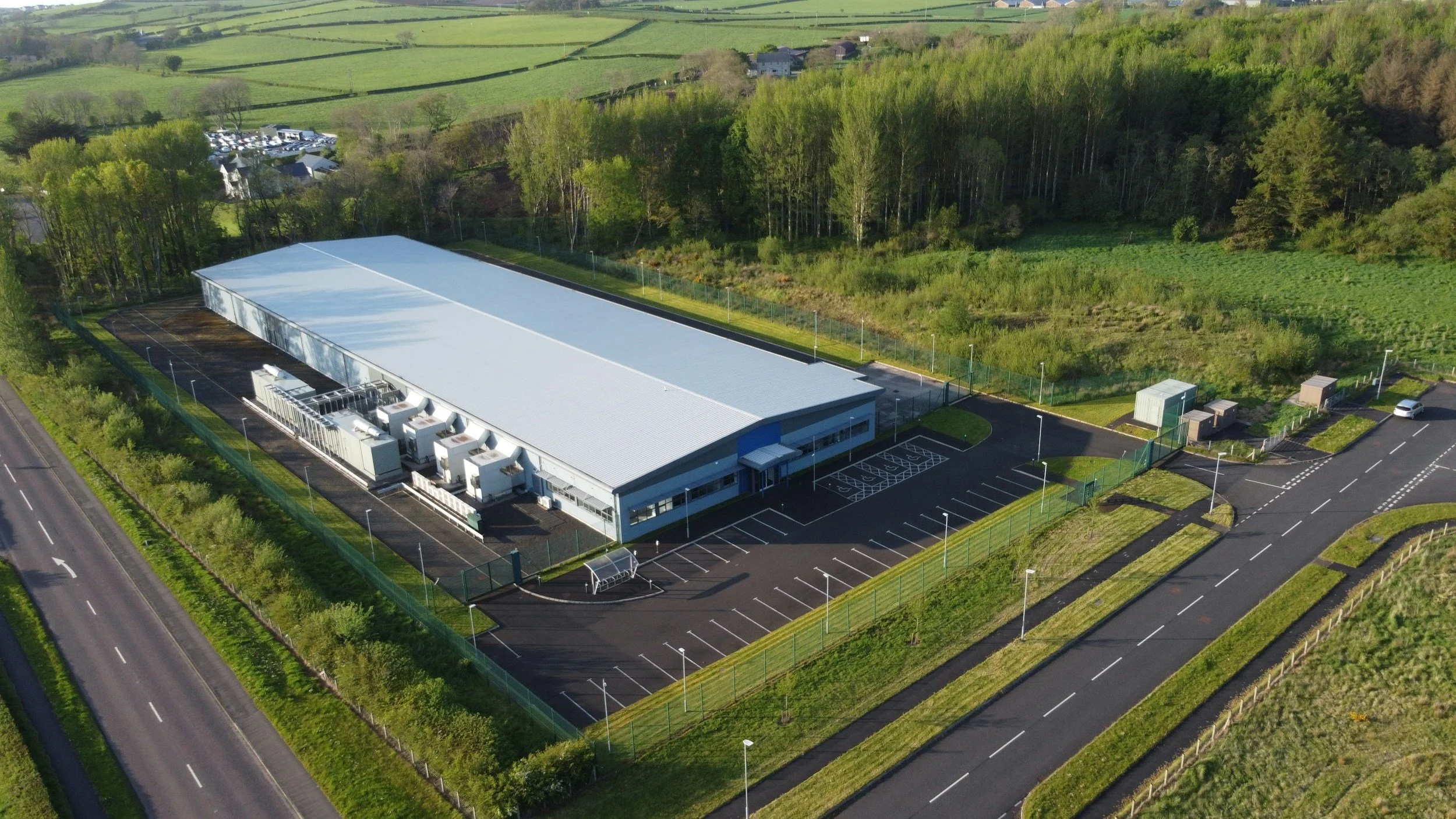
The Infrastructure Bargain
Large-scale infrastructure systems depend upon an implicit social bargain between communities, institutions, and economic development. As the impacts of infrastructure become more uneven and visible, legitimacy and trust increasingly determine whether that bargain holds.

Sustainability Philanthropy and the Architecture of Systems Change
Many sustainability challenges are interconnected human-natural systems problems that resist siloed solutions. This essay explores how philanthropy can function as a boundary-spanning institution during periods of complex societal transition.